

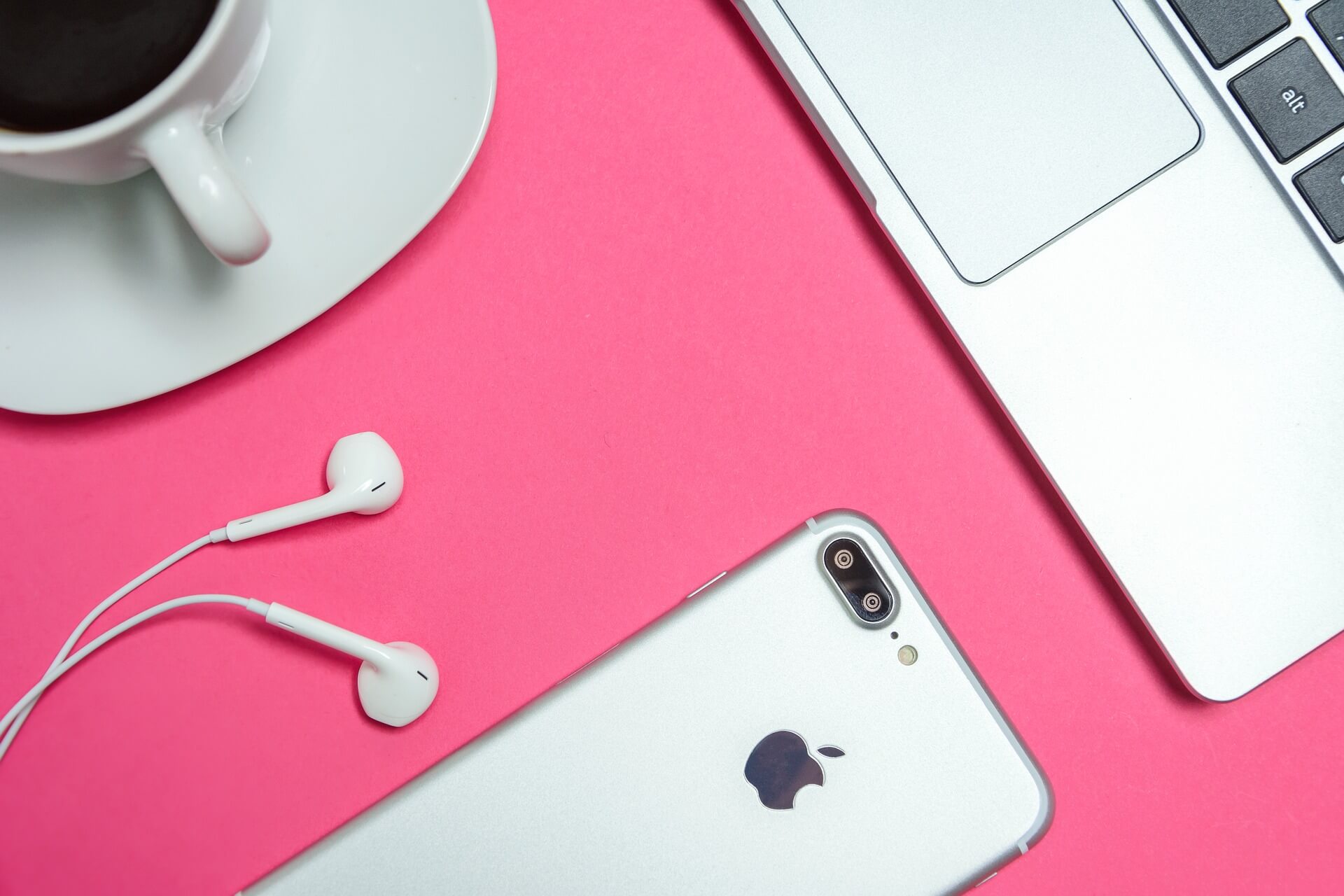
Apple has built something most technology companies can only dream about: an ecosystem where its products work together so seamlessly that once you are inside, leaving becomes difficult.
Buy an iPhone, add an Apple Watch, AirPods, a MacBook and an iPad, and suddenly your devices feel less like separate products and more like parts of one machine.
Your messages appear across devices. Your photos sync automatically. You can start working on your iPhone and continue on your Mac. AirPods move between devices. Your Apple Watch unlocks features on your other devices. Files follow you through iCloud.
It is an incredibly polished experience.

But there is another question that is particularly relevant to us in Zimbabwe:
Is Apple’s ecosystem actually designed for Zimbabweans — and if not, which Zimbabweans can realistically benefit from it?
Apple Is Selling More Than Devices
Apple’s biggest strength isn’t necessarily the iPhone, Mac or Apple Watch individually.
It is the ecosystem.
The company has created an environment where buying one Apple product makes the next one more attractive.
You buy an iPhone. Then perhaps you buy AirPods.
Then an Apple Watch.
Then a MacBook because it works beautifully with your iPhone.
Then you start paying for iCloud because your photos, documents and backups need somewhere to live.
Eventually, Apple isn’t simply selling you hardware. It is selling you convenience, continuity and integration.
And that is a powerful business model.
For someone who can afford it, the experience can be genuinely excellent.
But Zimbabwe Changes the Equation
The Zimbabwean technology market operates under very different conditions from markets such as the United States, United Kingdom or Australia.
Price matters enormously.
Availability matters.
Foreign currency matters.
Connectivity matters.
Payment methods matter.
And perhaps most importantly, the consequences of something going wrong are much greater when replacement costs are high.
A person in Zimbabwe buying a US$1,000+ smartphone isn’t necessarily making the same purchasing decision as someone in a wealthier market.
For many Zimbabweans, that phone represents a significant investment.
If the battery deteriorates, a screen breaks or the device is lost, replacing it isn’t simply an inconvenience.
It can be a major financial setback.
This changes how we should evaluate Apple’s ecosystem.
The Apple Ecosystem Works Best When You Can Afford the Whole Ecosystem
This is where things get interesting.
An iPhone by itself can be an excellent device.
But Apple’s real advantage becomes apparent when you own several Apple products.
Consider the difference between:
iPhone only
versus
iPhone + Apple Watch + AirPods + MacBook + iPad + iCloud
The second setup is where Apple’s ecosystem really starts to shine.
The problem?
The cost can become substantial.
For a Zimbabwean professional earning in US dollars, running a business, travelling internationally and already using Apple products, that cost may be reasonable.
For a university student, small-business owner or ordinary family trying to manage household expenses, the calculation may be very different.
You may be paying a premium for conveniences that you don’t necessarily need.
So, Which Zimbabwean Is Apple Really For?
There isn’t one answer.
Different Zimbabweans have very different technology needs.
1. The Zimbabwean Professional
This is probably one of Apple’s strongest markets.
A consultant, executive, designer, developer, lawyer, entrepreneur or senior professional who works heavily with technology may benefit considerably from the ecosystem.
If your work involves multiple devices and you value reliability, integration and mobility, Apple’s ecosystem can make sense.
The ability to move between an iPhone and MacBook without constantly thinking about file transfers, cables and compatibility has genuine productivity value.
For this person, Apple isn’t necessarily a status symbol.
It can be a productivity system.
2. The Zimbabwean Entrepreneur
For business owners, the question should be less about whether Apple is expensive and more about whether it produces a return.
A business owner who spends several hours every day communicating with clients, creating content, managing social media, travelling and handling business operations may find value in Apple’s ecosystem.
An iPhone with a MacBook can become a mobile office.
But entrepreneurs should be careful not to confuse expensive technology with good business technology.
A US$2,000 setup isn’t automatically better for your business than a US$700 setup.
The technology needs to generate value.
3. The Zimbabwean Content Creator
This is another group for whom Apple can make a lot of sense.
The combination of a modern iPhone, Mac and Apple’s software ecosystem can provide an excellent workflow for photography, video, social media and content production.
For creators earning money from their content, the calculation becomes easier.
If better equipment helps you produce better content and earn more money, the investment can potentially pay for itself.
But again, buy the tool because you need its capabilities — not simply because it has an Apple logo.
4. The Zimbabwean Student
This is where things become more complicated.
An iPhone may be desirable, but is it necessarily the best use of a student’s money?
A student might benefit more from investing in a capable Windows laptop, reliable internet access, cloud storage and other educational resources than putting a large portion of their budget into an Apple ecosystem.
If the student already owns an iPhone and has access to a Mac through family or school, the ecosystem becomes more attractive.
But buying everything from scratch simply because it is Apple may not be financially sensible.
5. The Zimbabwean Diaspora
This is perhaps one of the easiest groups to understand.
Zimbabweans living in countries such as the UK, Australia, South Africa, the US and elsewhere are operating in markets where Apple products and services are generally easier to access.
They may also have easier access to Apple Stores, financing, repairs, trade-in programmes and accessories.
For someone earning a salary in a developed economy, the cost of joining Apple’s ecosystem can represent a much smaller proportion of their income.
That makes Apple’s ecosystem considerably more attractive.
And this also explains why diaspora Zimbabweans can sometimes have a very different perspective on Apple products from someone living and earning locally in Zimbabwe.
The Biggest Issue: Apple Doesn’t Operate in Zimbabwe Like It Does in Major Markets
There is another factor Zimbabwean consumers need to consider.
The Apple experience isn’t just about owning an iPhone.
It is about the services surrounding the hardware.
Cloud storage, subscriptions, payments, repairs, accessories and other services all form part of the ecosystem.
Where those services aren’t equally accessible or convenient, the ecosystem loses some of its value.
This doesn’t make Apple a bad choice.
It simply means that Zimbabwean consumers need to evaluate the complete ownership experience, rather than looking only at the phone.
Android Has One Huge Advantage
Apple’s greatest competitor in Zimbabwe isn’t necessarily another premium smartphone.
It is the enormous flexibility offered by Android.
Android devices exist across almost every price category.
You can spend a relatively modest amount on a smartphone or several times that amount on a premium Samsung, Google or other Android device.
There is also enormous variety in hardware.
For a market where affordability and choice matter, this is a major advantage.
And Android devices can work perfectly well with Windows computers, Google services and a wide range of other technology.
Apple offers an incredibly controlled ecosystem.
Android offers an incredibly flexible one.
For many Zimbabweans, flexibility may matter more than integration.
But There Is Something Apple Gets Very Right
Apple understands something many technology companies struggle with:
People don’t want technology. They want technology that gets out of the way.
Most people don’t want to think about file formats, device compatibility, synchronisation or whether their headphones will work with their laptop.
They want things to work.
Apple has spent years making that experience exceptionally smooth.
And that is why the ecosystem is so powerful.
So, Should Zimbabweans Buy Apple?
Yes — but not blindly.
If you are a professional who can comfortably afford it, an entrepreneur who depends on technology, a content creator who needs Apple’s hardware and software capabilities, or someone who simply values the ecosystem and can afford the premium, Apple can be an excellent investment.
But if buying an iPhone means sacrificing your internet connection, business capital, education expenses or household necessities, then the Apple ecosystem may not be the right priority.
Technology should serve your life.
Your life shouldn’t be organised around paying for technology.
The Zimbabwean Apple User of the Future
As Zimbabwe’s digital economy develops, the market for premium technology will likely continue to grow.
More entrepreneurs are working digitally.
More businesses are operating online.
More young Zimbabweans are creating content.
More professionals are working remotely.
And more Zimbabweans are earning from international markets.
For these people, premium technology can become a business tool rather than simply a luxury.
That is where Apple could have a particularly strong future in Zimbabwe.
But the important question isn’t:
“Can I afford an iPhone?”
The better question is:
“What am I going to do with it?”
If the answer is business, productivity, creativity, communication and income generation, the investment may make sense.
If the answer is simply, “Everyone else has one,” perhaps it is worth thinking again.
Final Thought
Apple has built one of the most impressive technology ecosystems in the world.
But ecosystems only create value when they fit the environment in which people live.
For Zimbabwe, that means affordability, connectivity, access to services, repairability and actual usefulness have to be part of the conversation.
Apple can absolutely be for Zimbabweans.
But perhaps it isn’t for every Zimbabwean.
And that’s okay.
The smartest technology user isn’t the person with the most expensive devices.
It is the person who gets the most value from the devices they own.
— dave-IT
Practical Digital Skills. Technology. Business. Zimbabwe.